Why LeStallion Leather Journals for Writing Are Worth the Investment
For years I kept my notes in whatever notebook was cheapest at the office supply store. Spiral-bound, flimsy cardboard covers, paper so thin you could see through to the other side. It worked in a technical sense, but it never felt like a space where ideas belonged. The pages stayed blank longer than they should have, and when I did write, the experience was forgettable. That changed the first time I picked up a journal bound in real leather.
There is a difference between a notebook and a journal that invites you to write. The weight in your hand, the way the cover softens with use, the texture of paper that asks for ink rather than tolerating it. LeStallion leather journals for writing are built with that distinction in mind. They are not just pages between covers. They are tools designed to make the act of writing feel deliberate and rewarding.
What Makes a Journal Worth Using Every Day
When I talk to people about their writing habits, the same obstacle comes up again and again. It is not a lack of things to say. It is that the physical object they write in does not match the importance of what they are trying to capture. A cheap notebook sends a subtle signal that the thoughts inside are disposable. A well-made journal sends the opposite message.
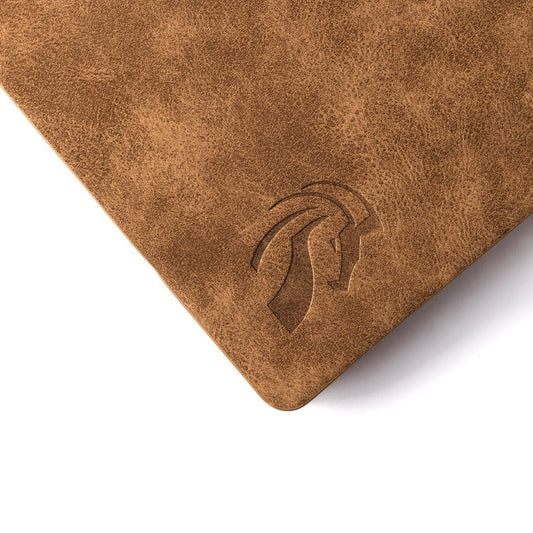
That is where LeStallion leather journals for writing earn their place. The leather cover is not just for looks. It protects the pages from coffee spills, bag wear, and the general abuse of daily carry. Over time it develops a patina that is unique to how you use it. That alone makes the journal feel like yours in a way a mass-produced notebook never can.
The paper quality matters just as much. Thick, acid-free paper that does not bleed through with fountain pen ink or heavy gel pens. Page numbers that help you find your place. A binding that lies flat when open so you are not fighting the spine to write on the inner margin. These are small details, but they add up to a writing experience that feels effortless.

How Material Quality Affects Your Writing Output
I have tested this theory on myself over several years. When I use a journal that feels good to hold and write in, I write more. Not just more words, but more thoughtful words. The tactile feedback changes the pace. You slow down. You choose your words with more care. And on days when you have nothing to say, the quality of the object itself is enough to make you open it and try.
This is not just subjective. There is research on how physical environment affects cognitive performance. A space that feels professional and inviting encourages focused work. A journal is an extension of that environment. If it looks and feels like a tool for serious thinking, you are more likely to use it that way.
LeStallion leather journals for writing sit in that sweet spot. They are professional without being stiff, durable without being heavy. The leather is soft enough to bend with your hand but sturdy enough to hold its shape after months of use. The stitching is clean. The paper is a warm off-white that reduces glare. Everything about it is designed to get out of your way so you can focus on what matters.
Practical Considerations Before You Buy
Not every leather journal is the same, and price alone does not tell you everything. Here are a few things I look for when evaluating a journal for daily writing:
- Paper weight and texture: 100 gsm or heavier for fountain pen users, with a slight tooth that catches the nib without dragging.
- Binding method: Smyth-sewn or section-sewn bindings last longer and lie flat. Glued bindings crack and lose pages over time.
- Cover stiffness: A cover that is too rigid makes the journal hard to hold open. One that is too thin offers no protection. A medium-weight leather with a soft temper is ideal.
- Page count: 200 to 300 pages is a good range. Too few and you replace it too often. Too many and the spine becomes unwieldy.
- Refillability: Some leather journals accept refill inserts, which extends the life of the cover. Others are bound permanently. Both have merits depending on your preference.
The trade-off with a permanent bound journal is that you commit to filling that specific book. That can be motivating. It creates a complete record of a period in your life or a project. The drawback is that if you finish it, you need a whole new cover. Refillable systems let you keep the same cover for years, but the refills themselves can be harder to find in consistent quality.
LeStallion offers both approaches depending on the line you choose. Their classic bound journals are built for a single, continuous writing journey. Their refillable options let you swap out pages while keeping the same leather cover. Neither is better in an absolute sense. It depends on whether you want a permanent archive or a reusable shell for your thoughts.
Using a Quality Journal to Build a Writing Habit
The hardest part of writing regularly is not finding time. It is overcoming the friction of starting. A journal that feels good in your hands reduces that friction. You are more likely to pick it up first thing in the morning or at the end of the day. That small advantage compounds over weeks and months.
I keep my journal on my desk, not in a drawer. Seeing it there is a reminder to write. The leather cover looks better with use, which makes me want to use it more. It becomes a virtuous cycle. The more you write, the better the journal looks. The better it looks, the more you want to write.
If you are starting a new journaling habit, here is what I recommend:
- Write the date at the top of each entry. It takes five seconds and makes the journal a usable reference later.
- Do not worry about writing something profound. Bad writing today is better than no writing. You can edit thoughts later.
- Keep the journal in the same place every day. Routine removes the decision of where to write.
- Use a pen you enjoy. The combination of a good journal and a good pen makes the experience genuinely pleasant.
- Give yourself permission to skip days. Consistency matters more than perfection.
A leather journal will not write the words for you. But it will make the process of writing them feel like a reward rather than a chore. That shift in perception is the difference between a journal that collects dust and one that collects your best thinking.
Final Thoughts on Choosing the Right Journal
There are many leather journals on the market, and most of them look similar in product photos. The difference shows up after a month of use. Cheap leather peels or stays stiff. Thin paper ghosts ink from the previous page. Bindings creak and crack. A well-made journal only gets better.
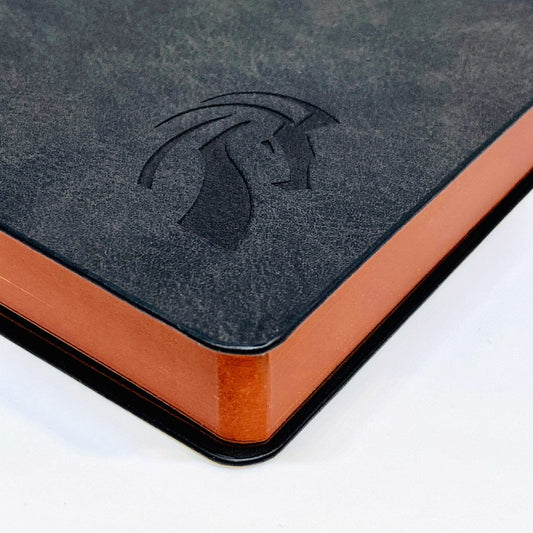
LeStallion has been making leather goods long enough to know what holds up and what does not. Their journals are built for people who write every day, not for people who want a pretty object on a shelf. The leather is full-grain, which means it develops character over time instead of degrading. The paper is chosen for compatibility with a wide range of writing instruments. The construction is meant to last.
If you are serious about writing, the tool you use matters. A journal that inspires productivity does not have to be expensive, but it does have to be well made. LeStallion hits that balance. It is an investment in your writing practice, not just in a notebook.